 header.jpg)
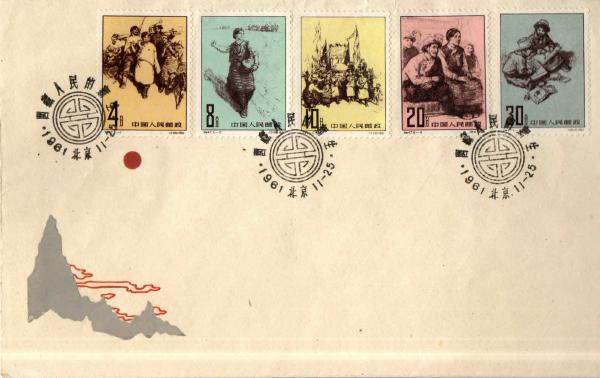 |
1961, S47, Rebirth of Tibetan People | |
|
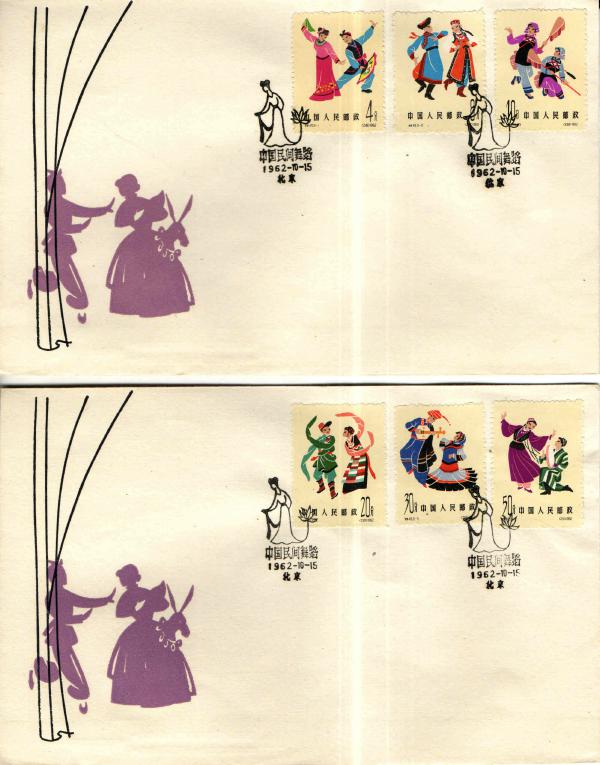
1962, S49, Chinese Folk Dances (1st Set) Stamp No. 4 ist Tibetans |
|
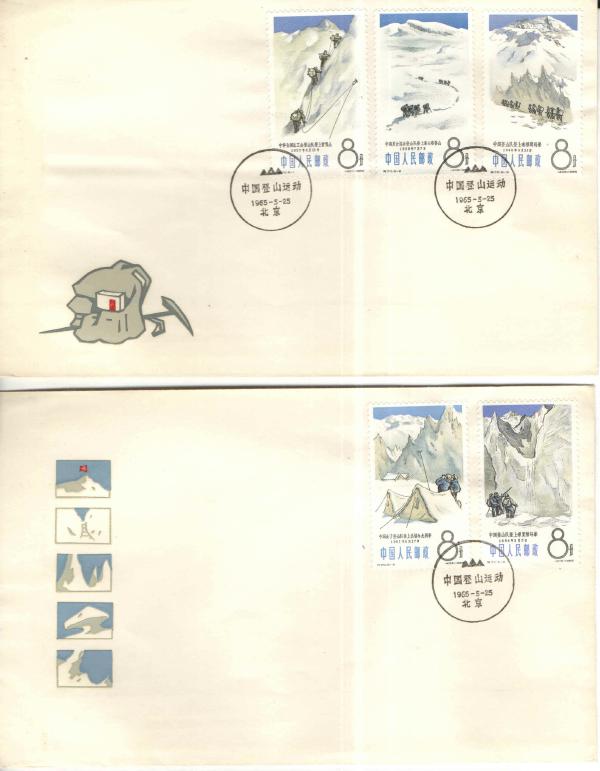 |
1965, R70, Mountaineering in China | |
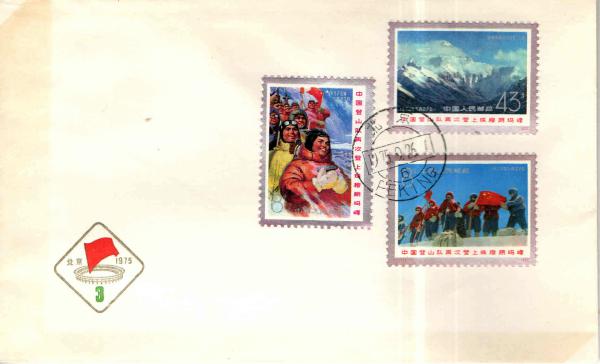 |
1975, T15, Mountaineering Team Reascent of Mount Qomolangma (Everest) | |
|
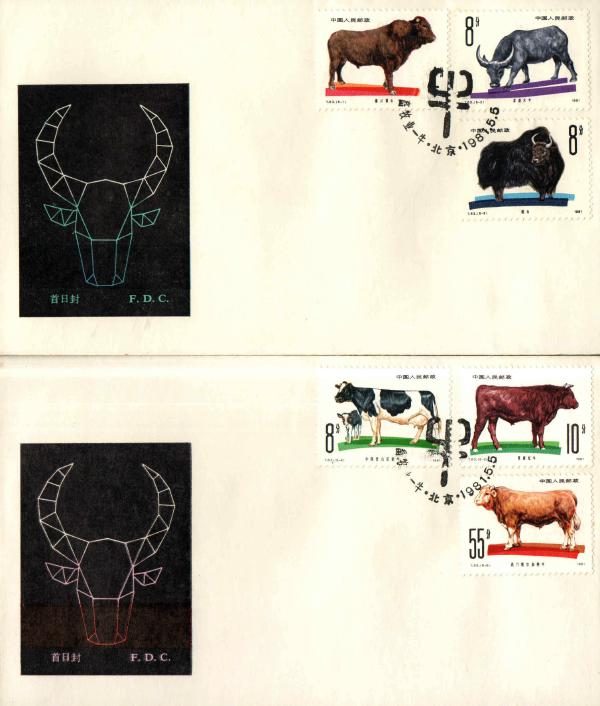
1981, T63, Animal Husbandry: Cattle | |
| it seems there does not exist a FDC for this stamp (please let me know if I am wrong!) | 1981, R21, Regular Stamps with Design of China Scenery, 70 Fen, Mount Everest | |
|
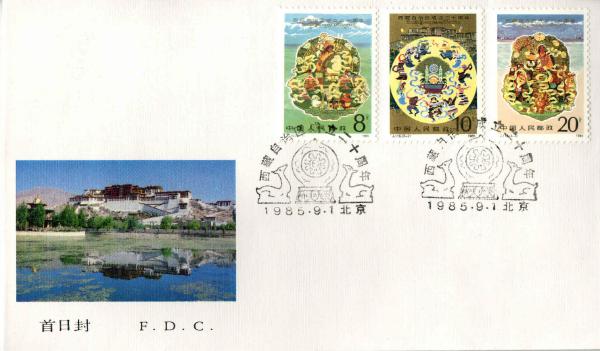
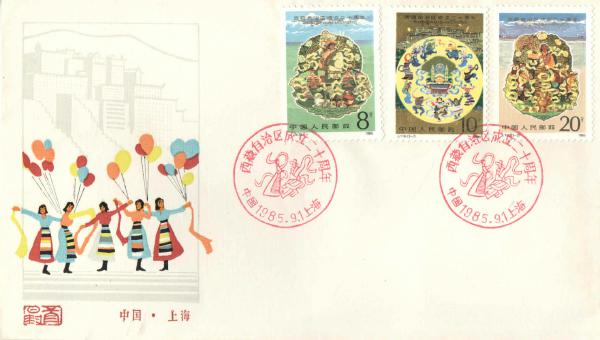
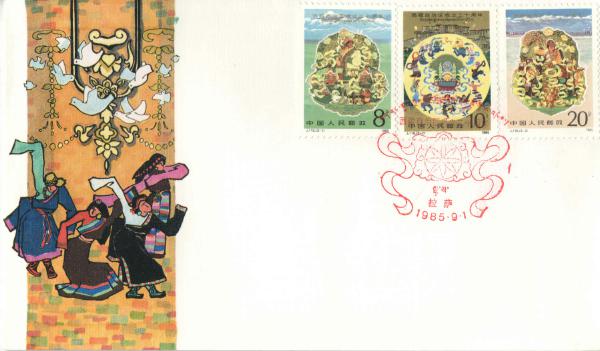
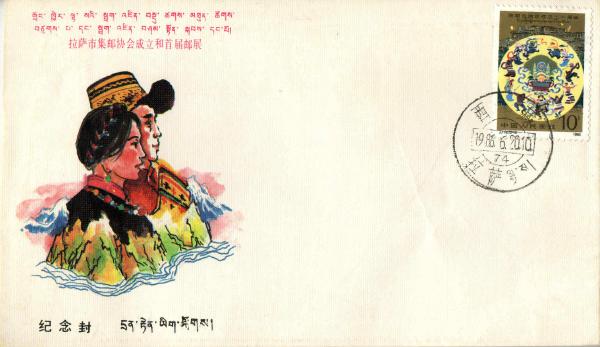
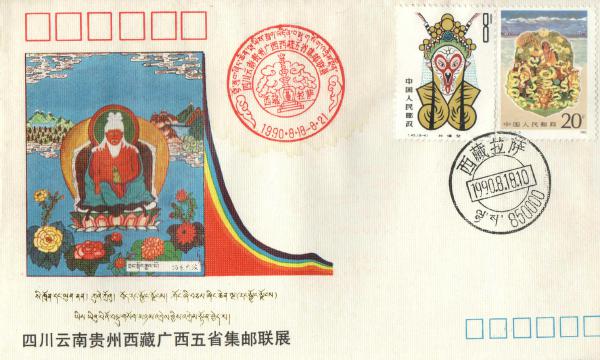
1985, J116, 20th Anniverary of the Founding of Tibet Autonomous Region ("autonomous regions" in China are much less autonomous than regular Chinese provinces ...) |
|
|
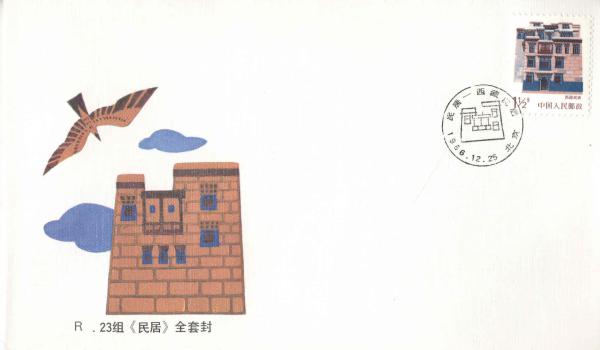
1986, R23, Folk House I can offer the whole set of 18 stamps as FDC and B-FDC! |
|
|
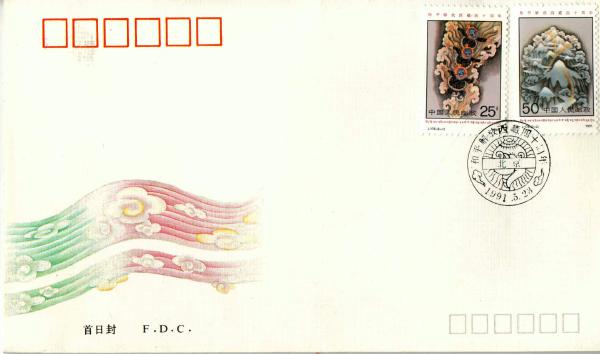
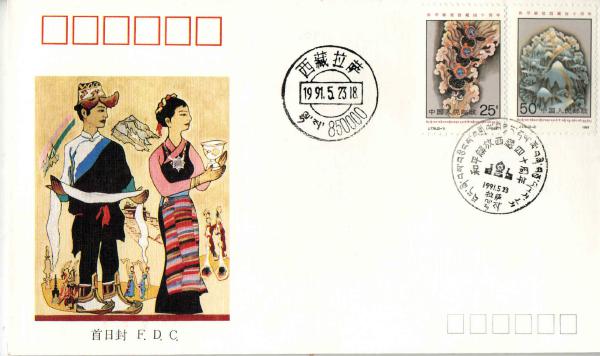
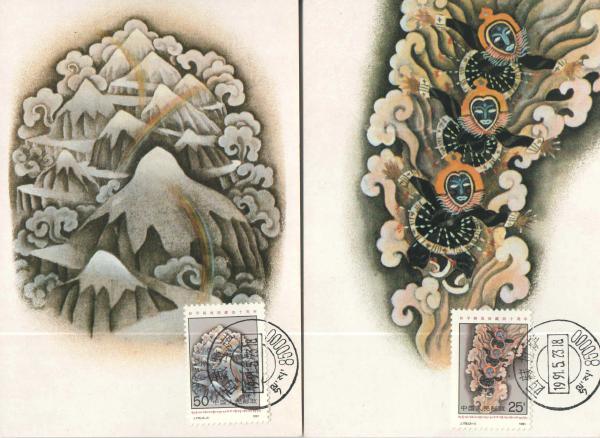
1991, J176, The 40th Anniversary of Peaceful Liberation of Tibet scholars estimate the death toll during the "peacefull liberation" and the time after of the "great leap forward" and the cultural reviolution to over 1.000.000 Tibetans (there is only 5 Mio. of them!) |
|
|
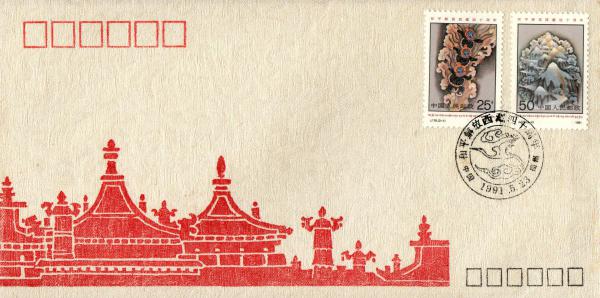
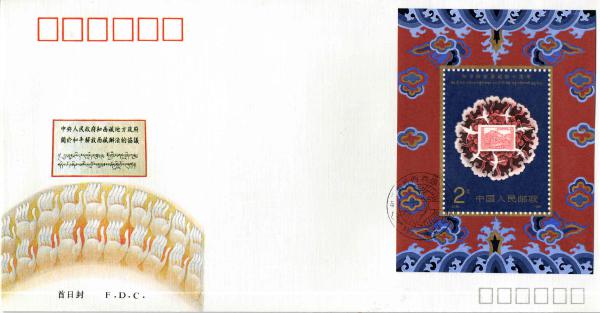
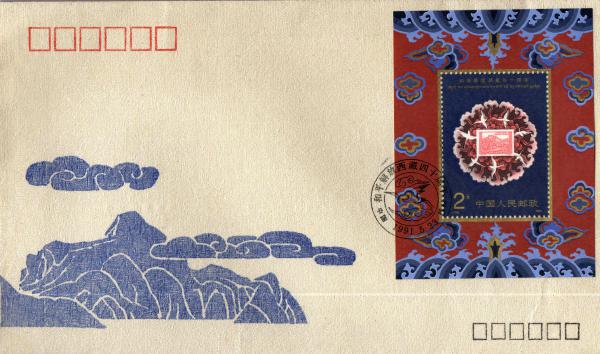
1991, J176M, The 40th Anniversary of Peaceful Liberation of Tibet | |
|
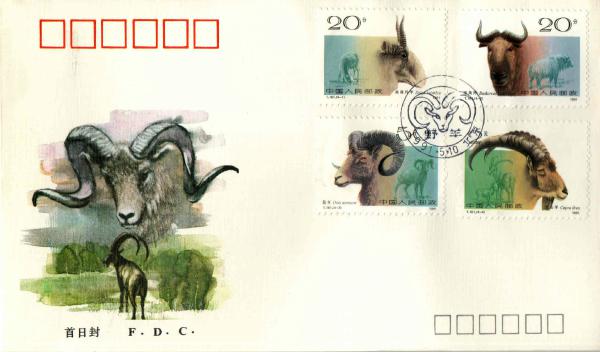
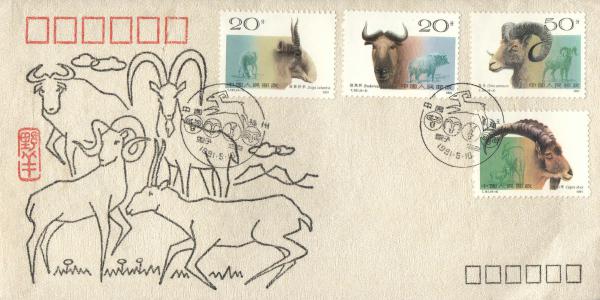
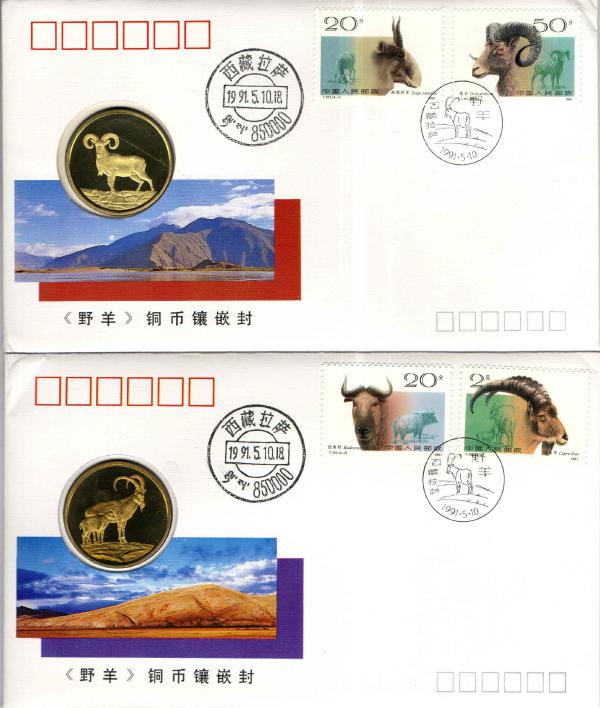
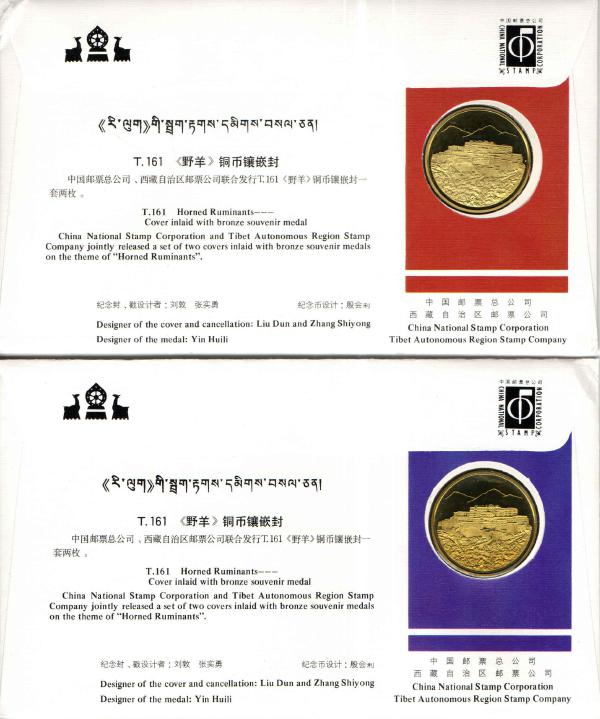
1991 T161 Wild sheep High-nose Antelope (Saiga Tatarica)
|
|
|
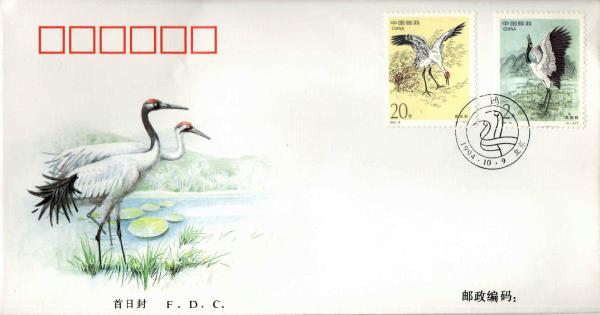
1994 1994-15 Cranes, the right one is a Black Necked Crane (Grus nigricollis), pretty much a Tibetan bird (also Bhutan, Sikkim, Nepal). |
|
|
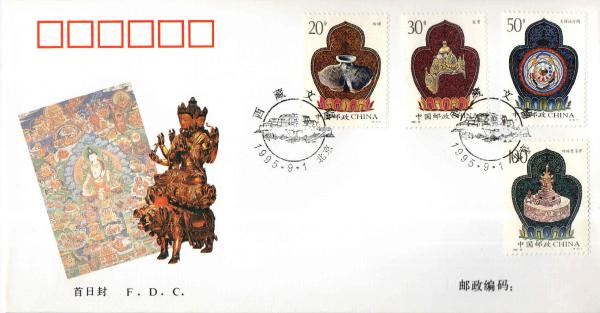
1995, 1995-16, Culture Relics of Tibet | |
|
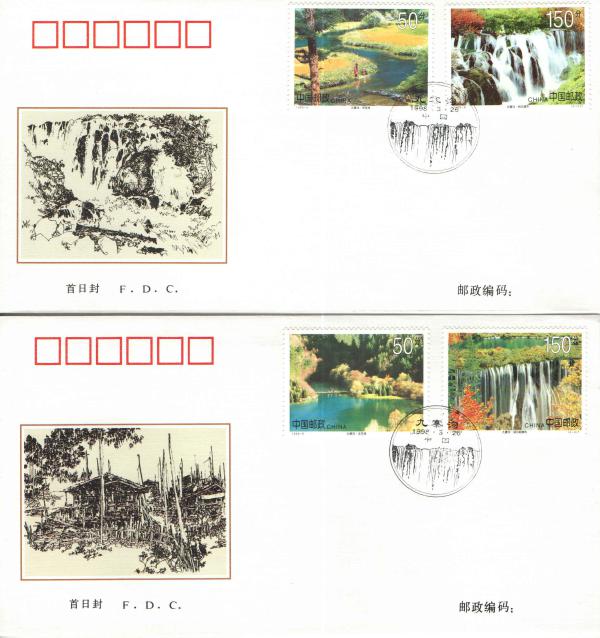
1998, 1998-6, Jiuzhaigou (gzi rtsa sde dgu, a Tibetan area in Aba, Sichuan) |
|
|
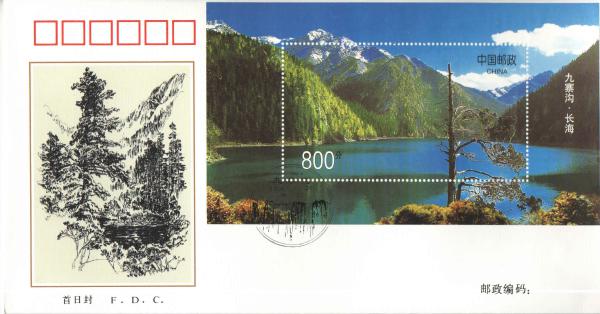
1998, 1998-6M, Jiuzhaigou | |
|
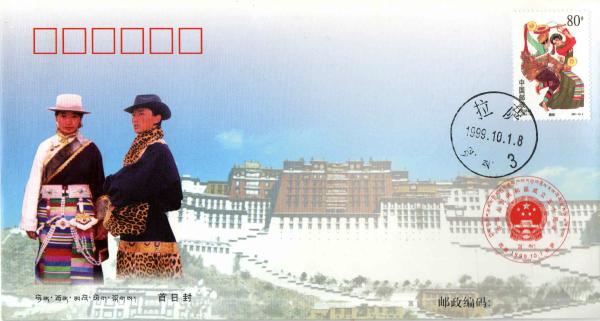
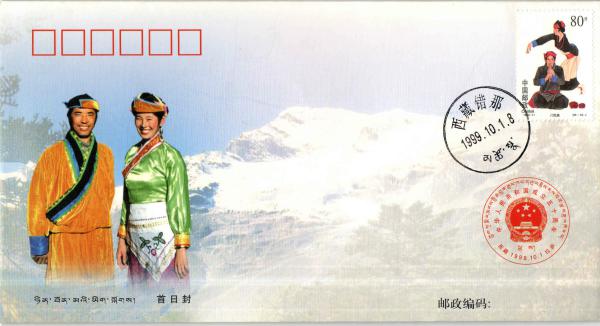
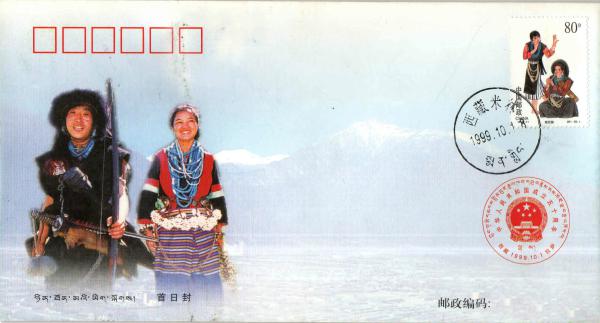
1999, 1999-11, Solidarity of All Nationalities It is a sheet of 56 stamps with one of the 56 recognized Chinese nationalities each. Number four is Tibetans - dancing and singing. I can provide the full set of 56 FDCs! |
|
|
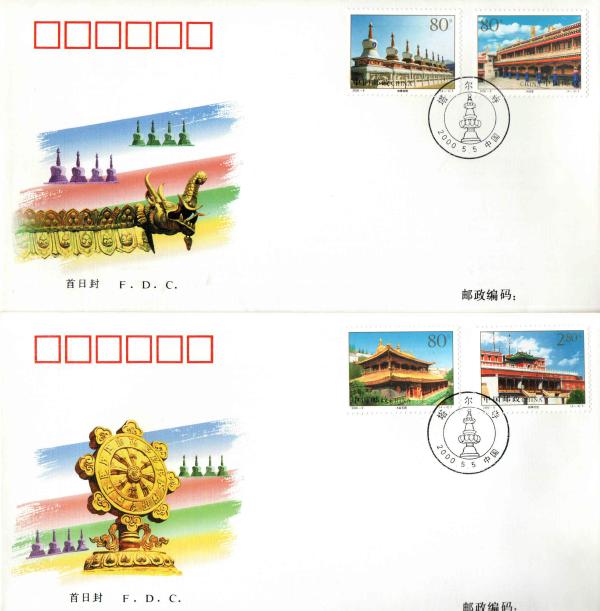
2000, 2000-9, Ta'er Lamasery (that is Kumbum in Qinghai/ Amdo Tibetan area) | |
|
2001, 2001-4, Key Wild Animals under First-Grade State Protection in China (II). The Snow Leopard and the Takin are quite Tibetan animals. The decorative fields also have Tibetan animals: the Black Necked Crane and the Wild Yak. | |
|
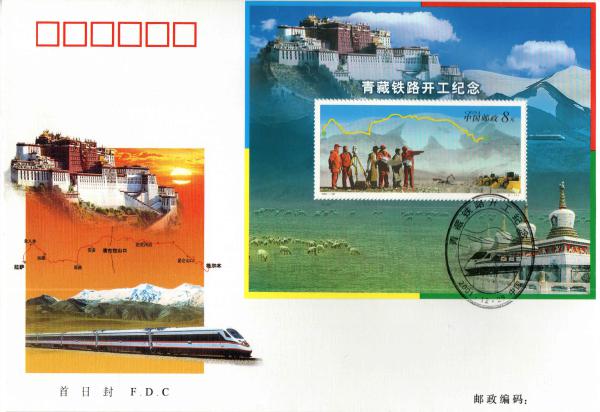
2001, 2001-28, Construction Beginning of Qinghai Xizang Railway | |
|
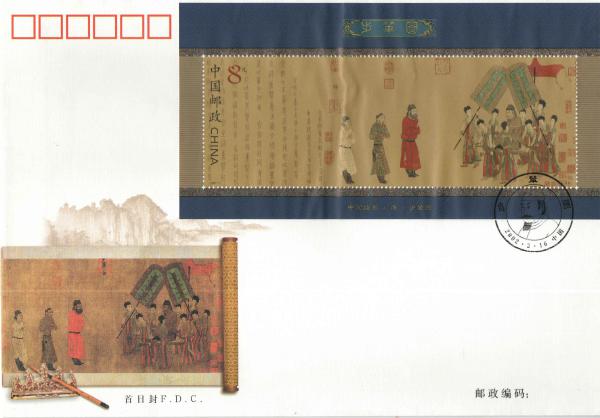
2002, 2002 -5M, The Audience: Emperor Taizong receives Tibetan envoy | |
|
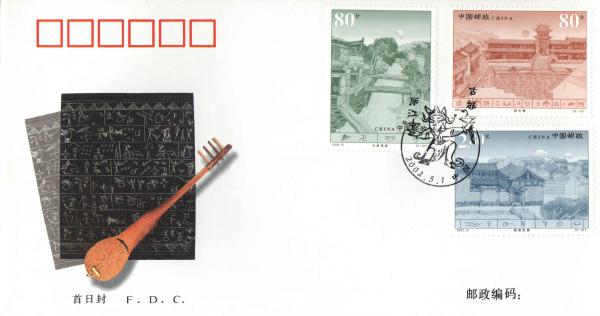
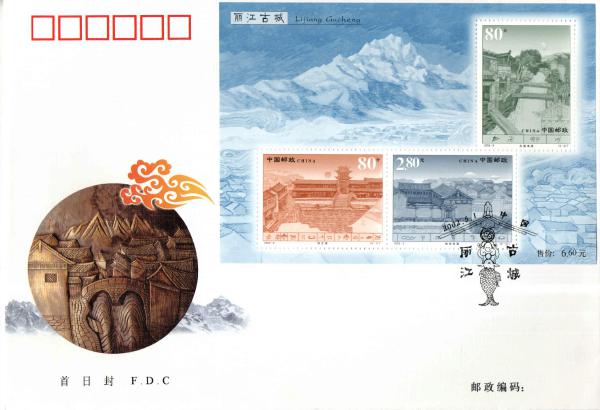
2002-9 The Ancient City of Lijiang Lijiang is an old trading place between Tibet and Yunnan and had a considerable Tibetan population. The predominant population, the Naxi or Nakhi, along with Bai and Tibetans, traded over the dangerous overland trading links with Lhasa and India, on the so-called Tea and Horse Caravan routes. Naxi Culture ist strongly influenced by Tibetan Buddhism. That is why I included the Lijiang stamps here. Lijiang was a part of the Tibetan cultural, religious and economic sphere. |
|
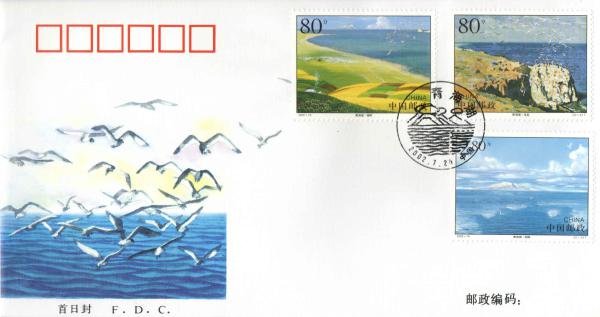 |
2002, 2002-16, Qinghai Lake. Amdo Tibetan area. | |
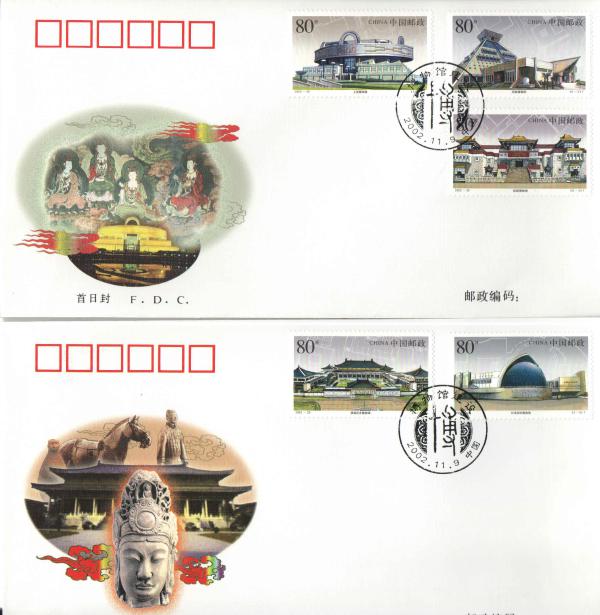 |
2002, 2002-25, Construction of Museums Number 4 is the Lhasa museum, opposite of the Norbulingka palace. |
|
|
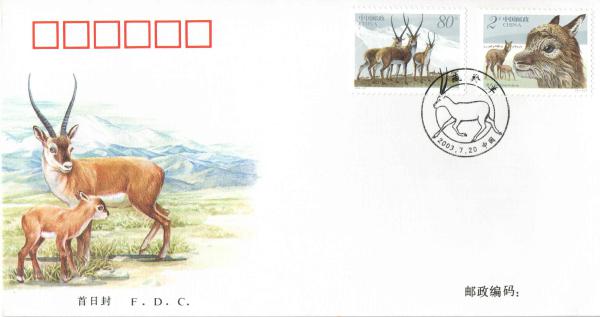
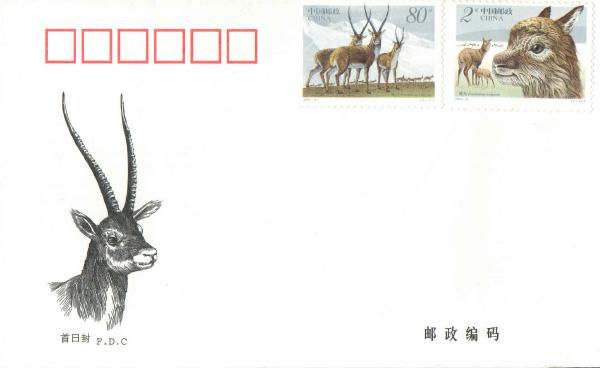
2003, 2003-12, Tibetan Antelope or Chiru (Pantholops hodgsonii), tib.: Gtsod | |
|
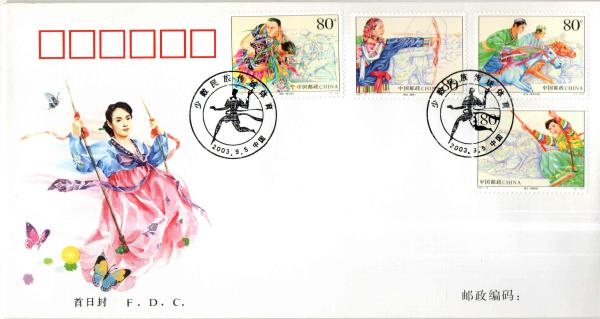
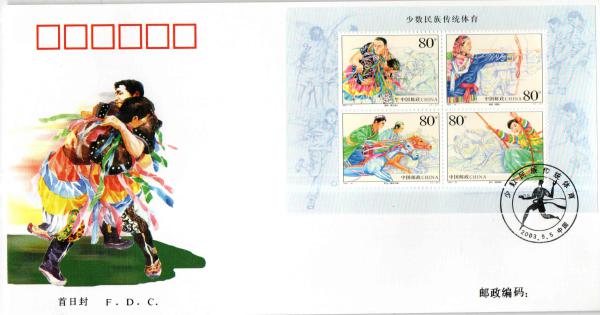
2003-16 Traditional Sports of Ethnic Minorities of China The second (arrow shooting) looks Tibetan to me |
|
|
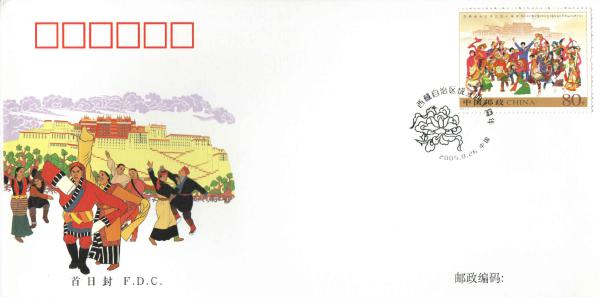
2005, 2005-27, 40th Anniversary of the Founding of Tibet Autonomous Region Again singing and dancing ... |
|
|
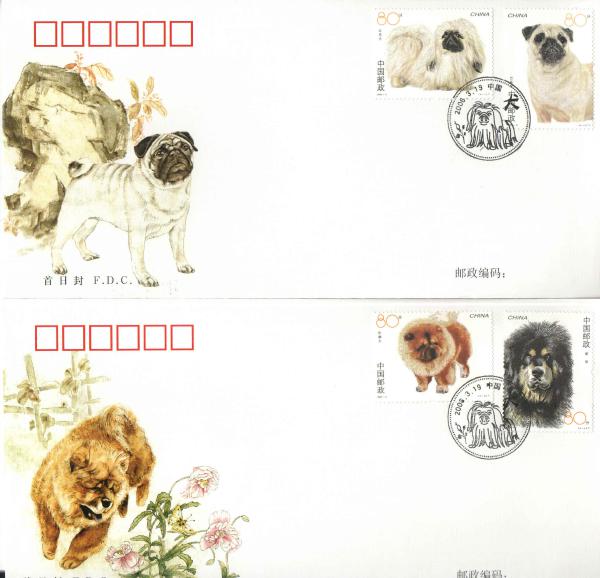
2006, 2006-6, Chinese dogs, stamp 4-4 is a Tibetan Mastiff | |
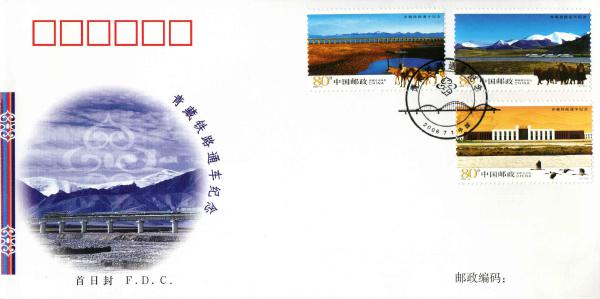 |
2006, 2006-15, Qinghai-Tibet Railway Opening to Traffic With Tibetan antelopes, wild yaks and black necked cranes. |
|
|
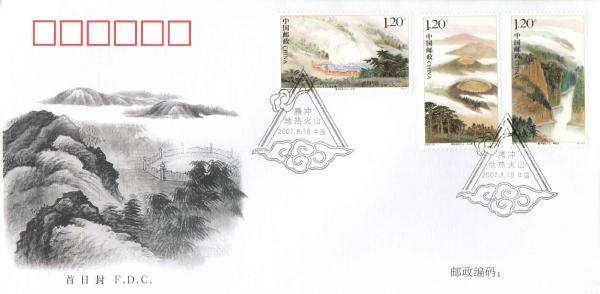
2007 2007-23 Tengchong County (simplified Chinese: 腾冲县; traditional Chinese: 騰沖縣; pinyin: Téngchōng Xiàn) along the southeastern margin of the Tibetan plateau is a county of Baoshan City, western Yunnan province, People's Republic of China. It is well known for its volcanic activity. The name has also been given in English language sources of the late nineteenth and early twentieth centuries as Tingyueh, Teng Yueh and Momein. As is the case for most of Yunnan, Tengchong has many different ethnicites living in and around the town. Han, Dai and Lisu are dominant but also Tibetans, Bai, Aini and people with Burmese ancestry are plentiful. |
|
|
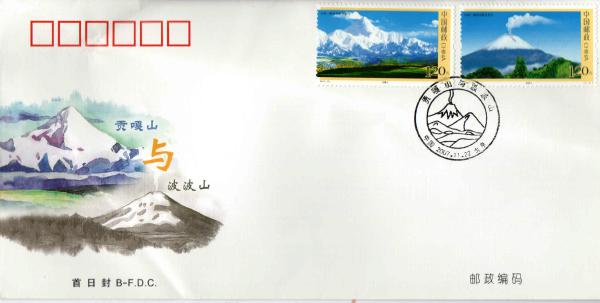
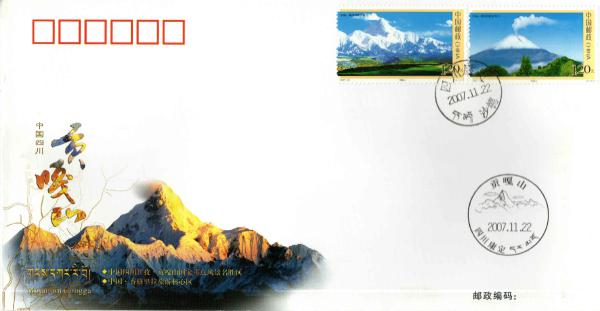
2007 2007-25 Mount Gongga and Popocatepetl (Joint Issue of China and Mexico) Mount Gongga, 7556 m, (simplified Chinese: 贡嘎山; pinyin: Gònggá Shān), also known as Minya Konka (Khams Tibetan pinyin: Mi'nyâg Gong'ga Riwo), in Garzê Tibetan Prefecture, Sichuan, is the highest mountain in Sichuan province, China. |
|
|
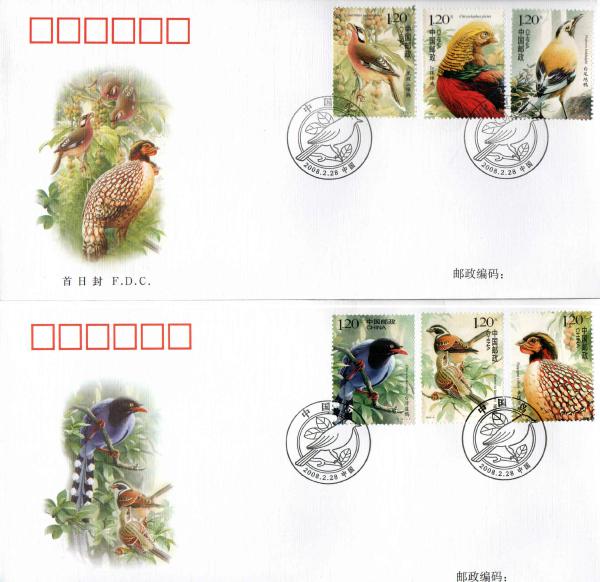
2008 2008-4, Birds of China, sheet Taiwan Blue Magpie, Urocissa caerulea Tibetan Bunting, Emberiza koslowi (on top of the sheet second from the left, last one of the loose stamps picture) Cabot's Tragopan, Tragopan caboti Snowy-cheeked Laughingthrush, Garrulax sukatschewi Golden Pheasant, Chrysolophus pictus Biddulph's Ground Jay, Podoces biddulphi |
|
|
2009 2009-14 Sanjiangyuan Nature Reserve The Sanjiangyuan National Nature Reserve (SNNR) also referred to as the Sanjiangyuan Nature Reserve or the Three Rivers Nature Reserve, is the area of the Tibetan Plateau in Qinghai province, China which contains the headwaters of the Yellow River, the Yangtze River, and the Mekong River. The SNNR was established to protect the headwaters of these three rivers. |
|
|
2009, 2009-16
|
|
|
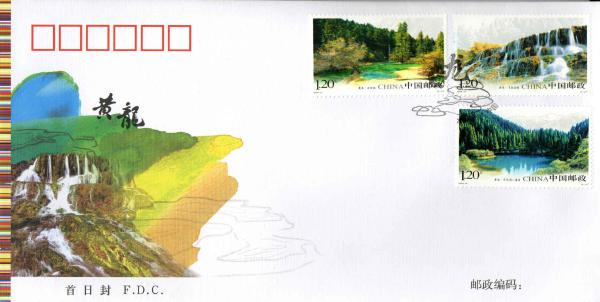
2009 2009-18 Huang Long Scenic Area Huanglong (simplified Chinese: 黄龙; pinyin: Huánglóng; literally: "yellow dragon") is a scenic and historic interest area in the northwest part of Sichuan, China. Huanglong is located on the easternmost of Qinghai - Tibet Plateau. It belongs to Songpan county, Aba Tibetan and Qiang autonomous prefecture, Sichuan province. This area is known for its colorful pools formed by calcite deposits, especially in Huanglonggou (Yellow Dragon Gully), as well as diverse forest ecosystems, snow-capped peaks, waterfalls and hot springs. Huanglong is also home to many endangered species including the Giant Panda and the Sichuan Golden Snub-nosed Monkey. Huanglong was declared a World Heritage Site by UNESCO in 1992. |
|
|
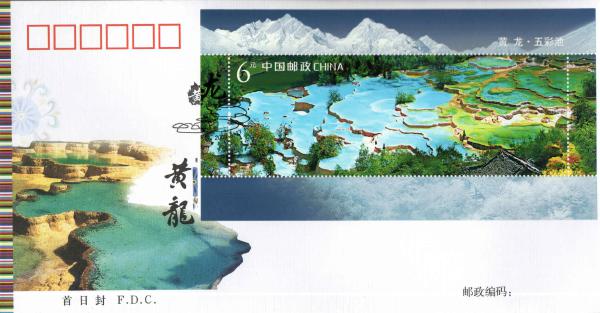
2009 2009-18M Huang Long Scenic Area |
|
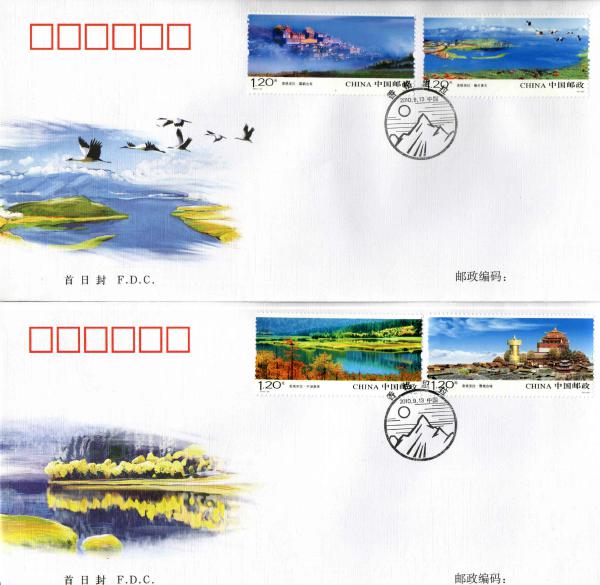 |
2010 2010-13T Shangrila: Before called rGyalthang (tib) or Zhongdian (chin), they had the silly idea to rename the area Shangrila after the fictive place in the novel "Lost Horizon" by James Hilton - to curb tourism. Which indeed they did. |
|
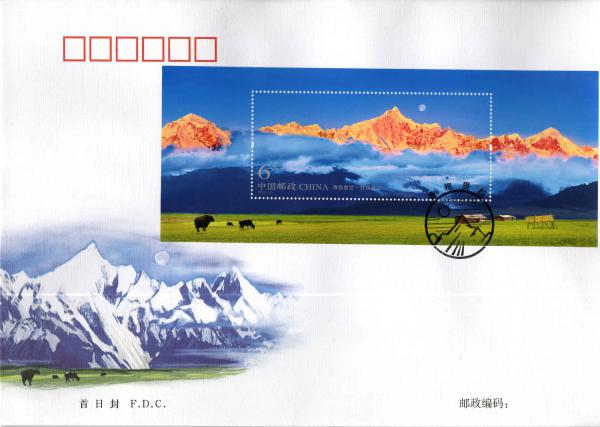 |
2010 2010-13T Shangrila Meri Snow Mountain |
|
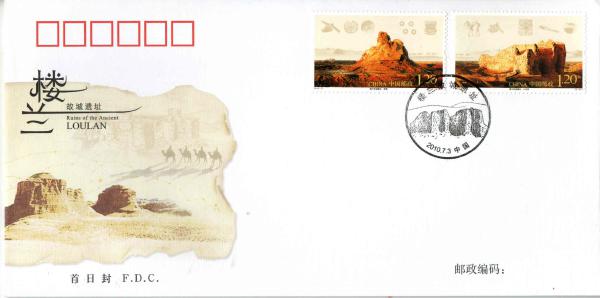 |
2010-17 Ancient City of Loulan Luolan, an important oasis city along the Silk Road already known in the 2nd century BCE on the north-eastern edge of the Lop Nor Desert, was during some time of the Tibetan empire Tibetan controlled. |
|
|
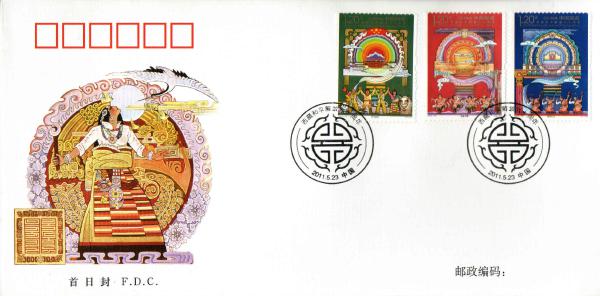
2011, 2011-13, 60th Anniversary of the Peaceful Liberation of Tibet Tibetans dancing and singing ... |
|
|
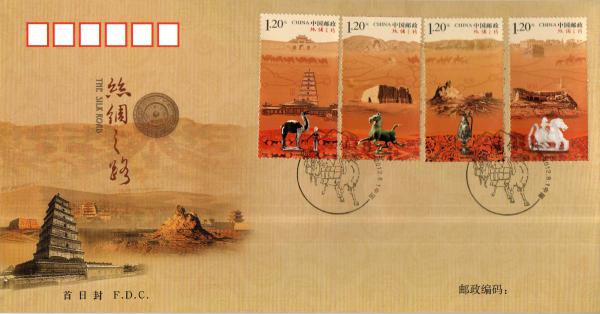
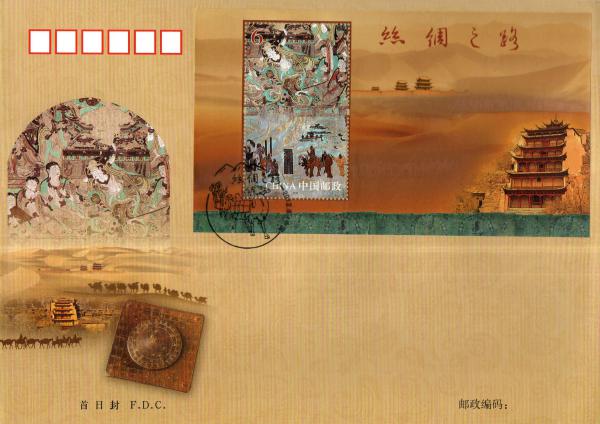
2012-19 The silk road During the time of the Tibetan empire in the 7th to 9th century Tibetans conquered and controlled the silk road. Old Tibetan scriptures were found in Dunhuang and other places of the silk road.
|
|
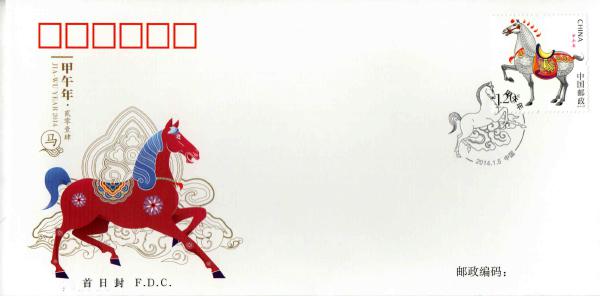 |
2014-1 Year of Horse Not really related to Tibet ... but the horse on the envelope looks very much like Tibetan depictions of horses, espcially windhorses. Also the background of the horse with it's clouds (windhorse!) and emblem looks very much Tibetan influenced. |
|
|
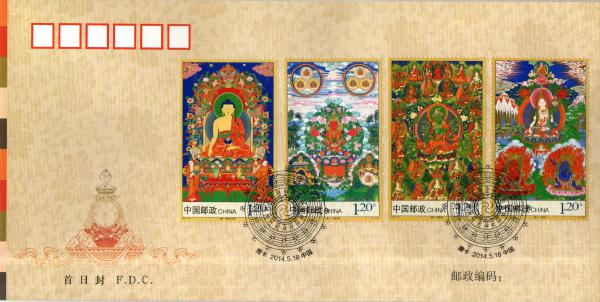
2014 2014-10 Tibetan Thangkas Buddha Shakyamuni Amitayus Green Tara White Tara |
2,00 |
|
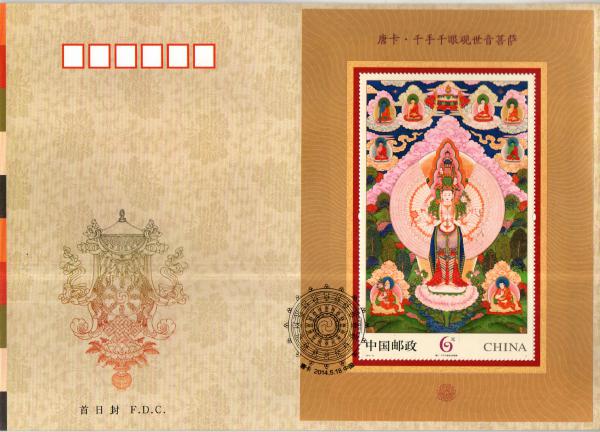
2014 2014-10 Tibetan Thangkas One thousand armed Avalokiteshvara |
3,00 |
.jpg)
.jpg)
.jpg)
.jpg)
.jpg)
 sheet.jpg)
.jpg)
.jpg)
.jpg)
.jpg)
a.jpg)
b.jpg)
sheet.jpg)
.jpg)
.jpg)
.jpg)
.jpg)
.jpg)
.jpg)
.jpg)
.jpg)
.jpg)
.jpg)
 Yunnan.jpg)
.jpg)
.jpg)
.jpg)
.jpg)
.jpg)
.jpg)
.jpg)
.jpg)
.jpg)
.jpg)
a.jpg)
b.jpg)
.jpg)